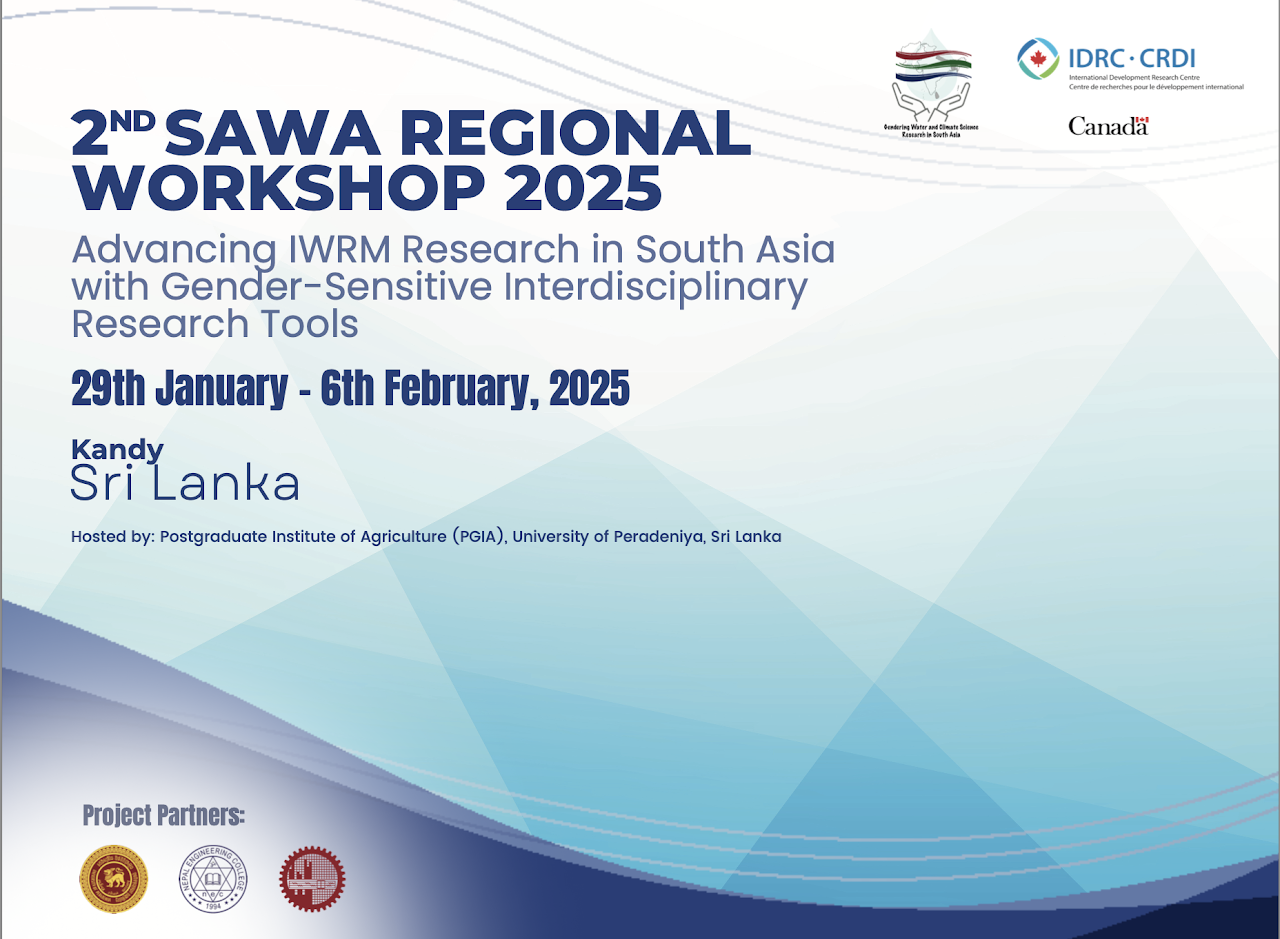
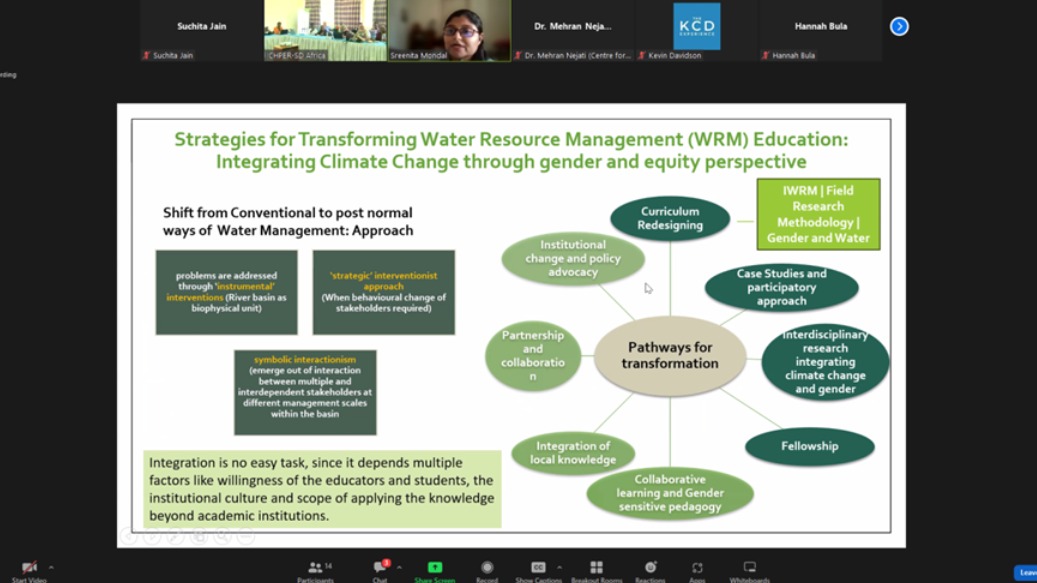
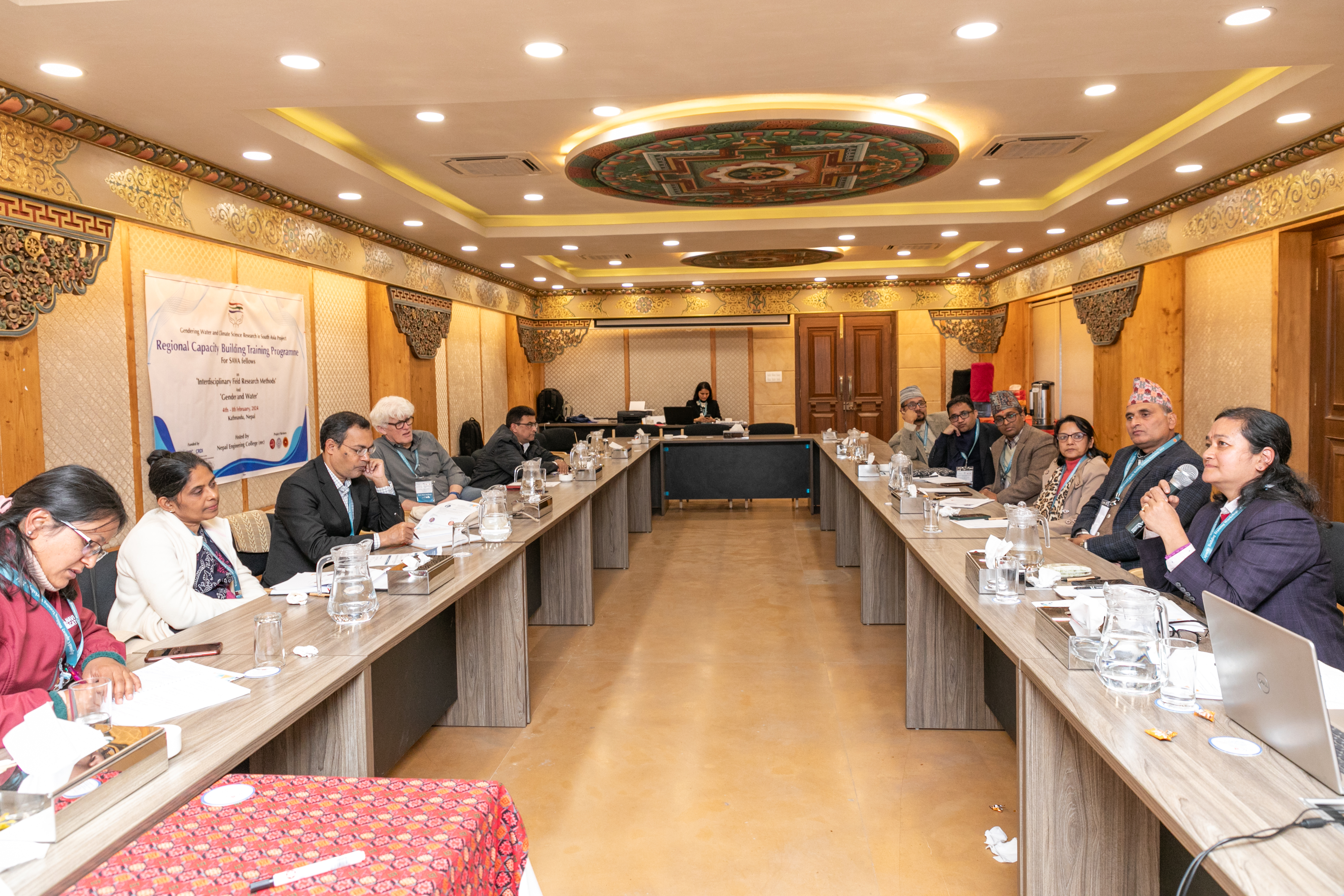
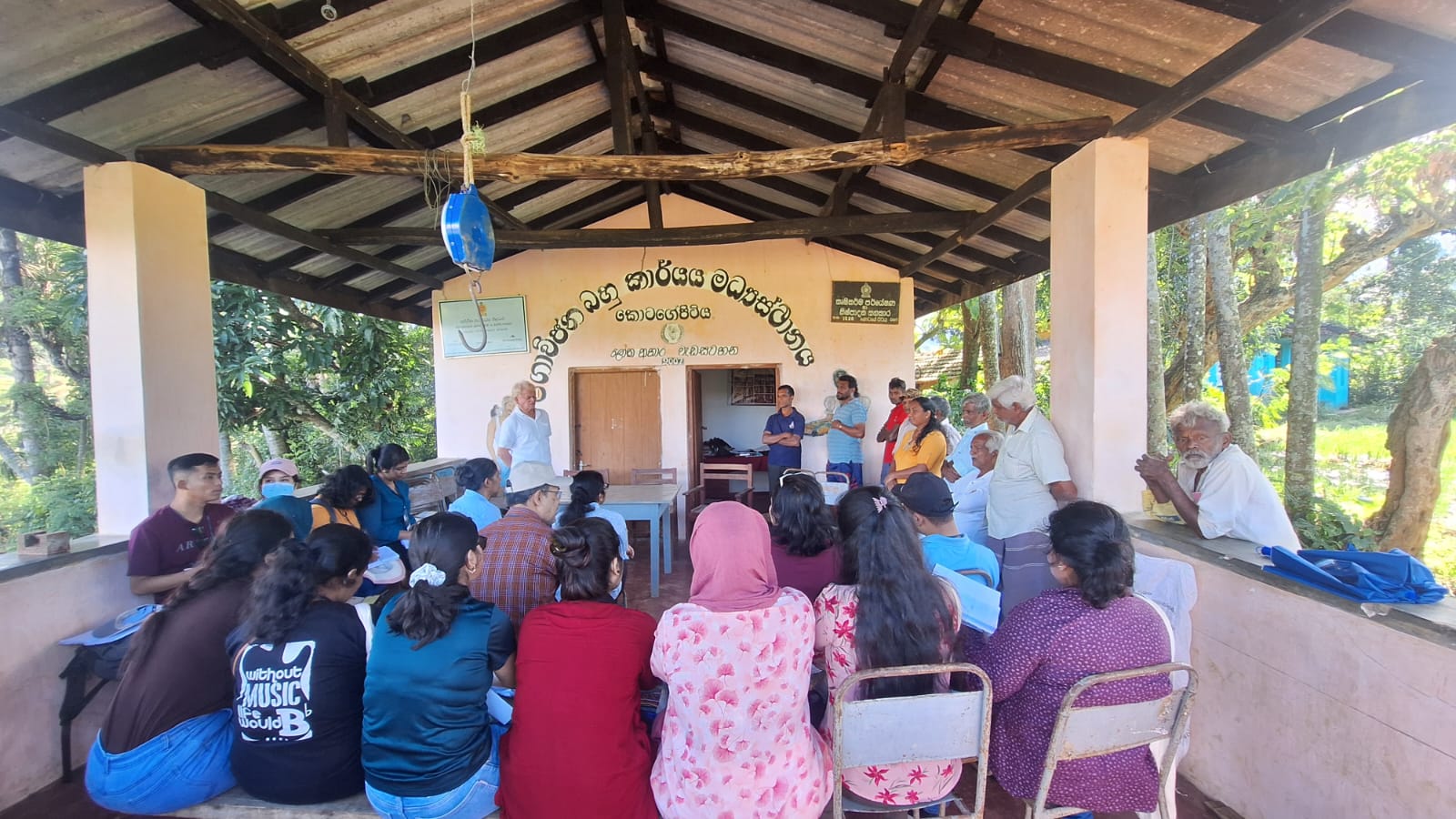
“Gendering Water and Climate Science Research in South Asia” (GWCS) is an action research project seeks to understand the effectiveness of the capacity development initiative i. e. South Asia Water (SAWA) program, initiated in 2005, in shaping participants’ knowledge, attitudes, and skills related to core gender concepts and their relevance to WRM. It also examines whether the program has enhanced scholars’ ability to apply gender and interdisciplinary perspectives in WRM research and practice, particularly in the context of climate change in South Asia. In addition, the project explores the roles of pedagogical, institutional, and market factors in either enabling or constraining interdisciplinary and gender-responsive research and practice in the region.
The broader goal of GWCS is to improve tools and methods for interdisciplinary and gender training in higher education institutions, while strengthening networks for knowledge exchange, advocacy, and mentorship related to interdisciplinary and gender research in the water sector.
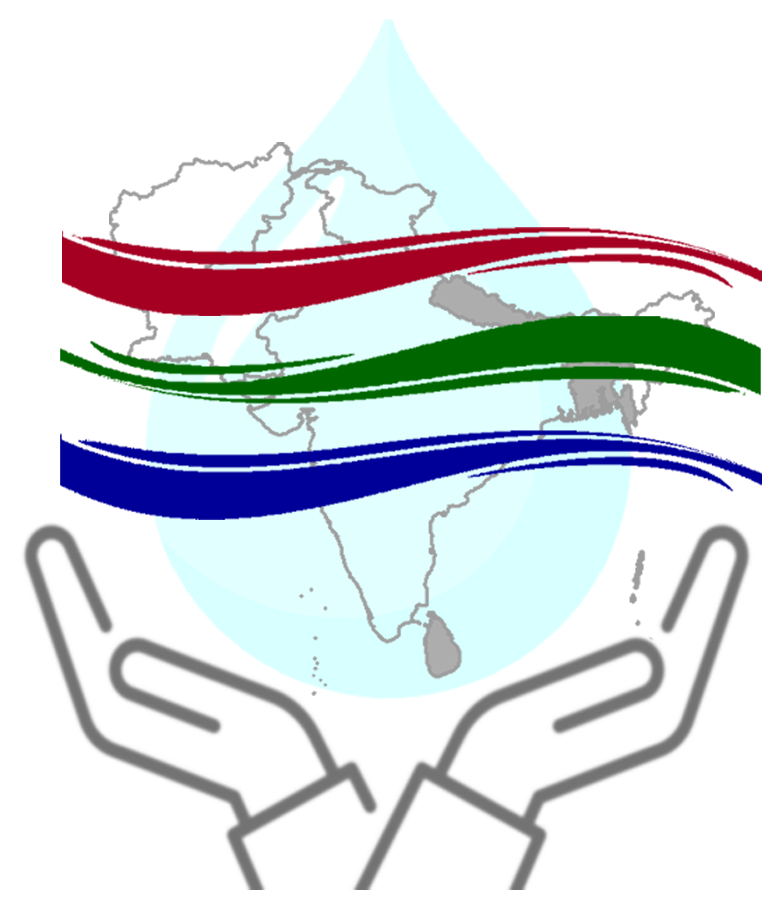
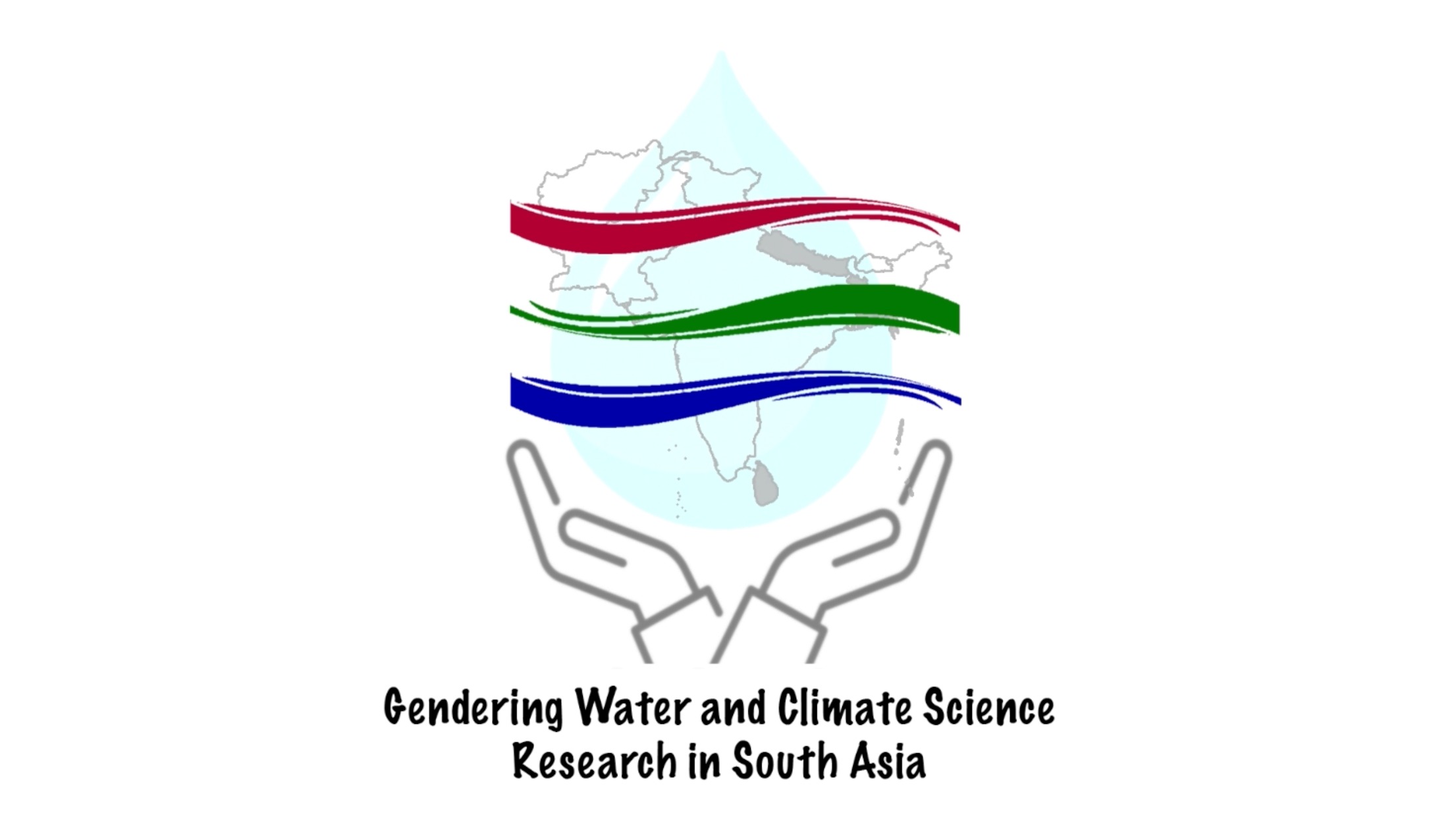
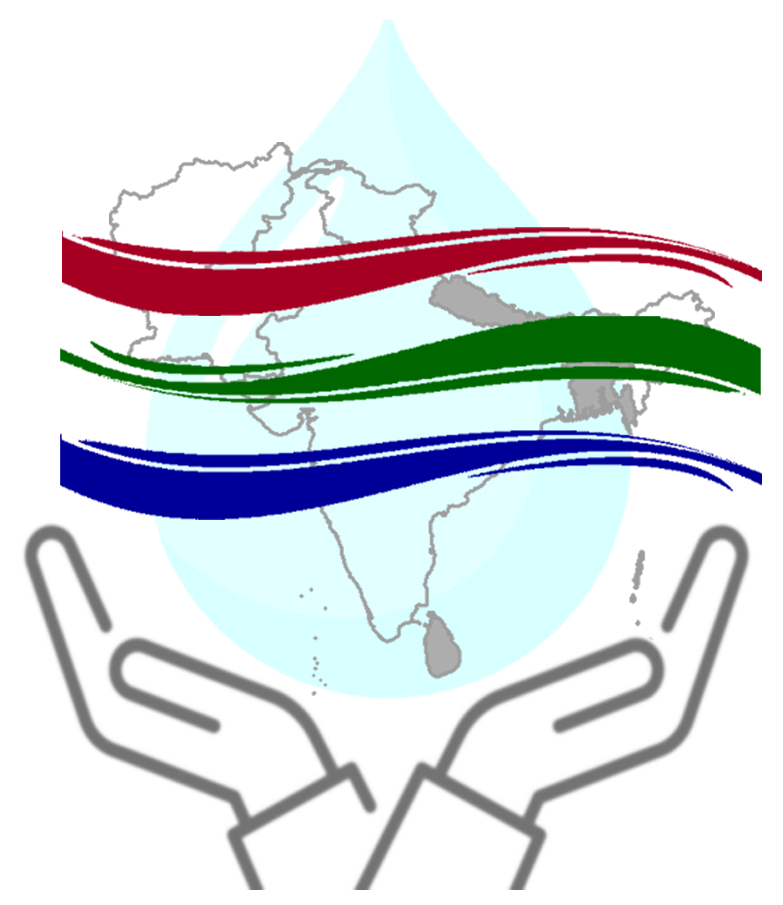
The logo for the project is rich in symbolism, capturing the core values and focus areas of the initiative:
The logo as a whole conveys a message of collaboration, sustainability, and regional unity, while reflecting the project's commitment to inclusivity and equitable water resource management in South Asia.